Can I install gutter guards myself?
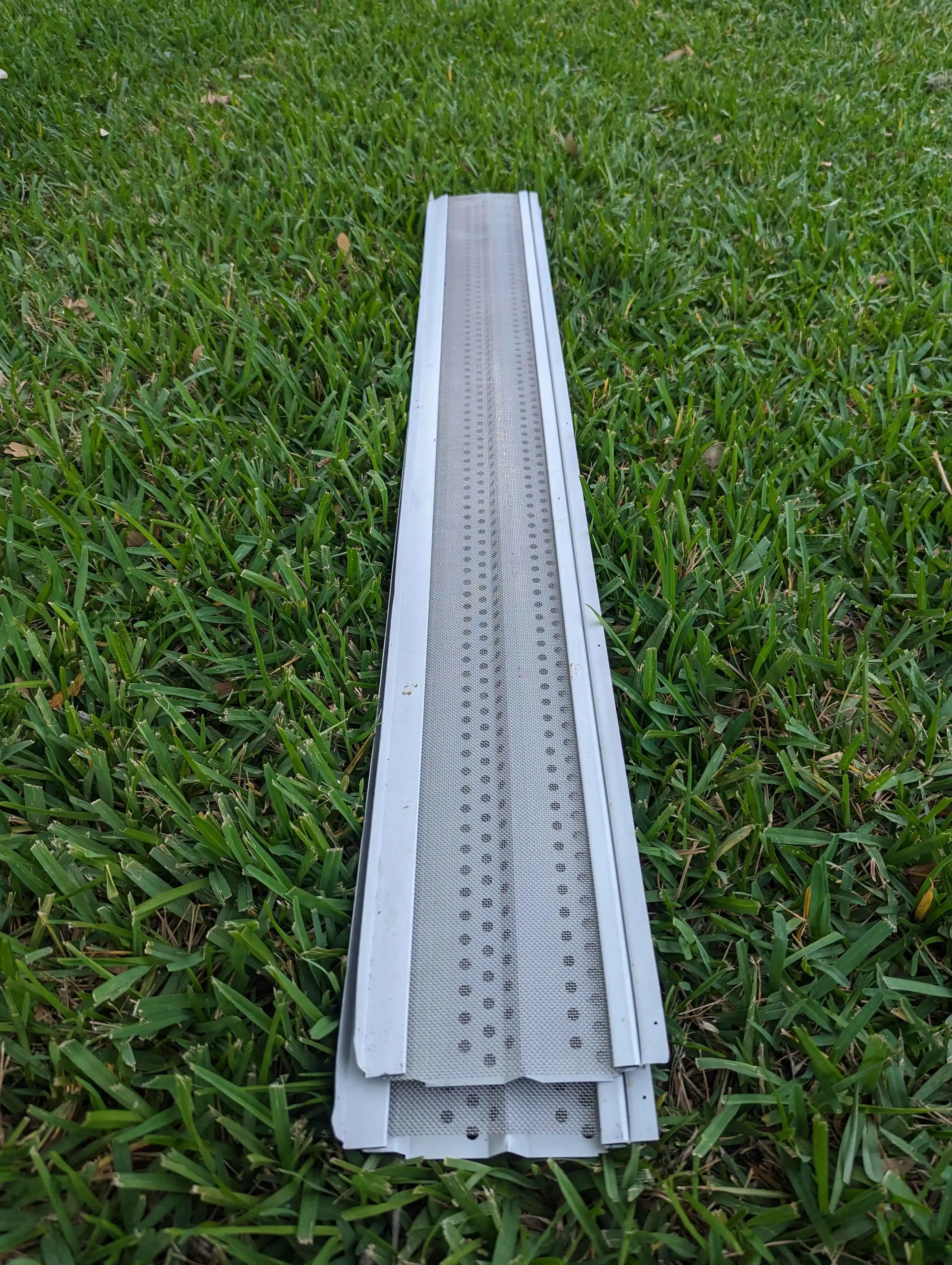
Maintenance Tips After Installation
After completing your gutter guard installation, regular maintenance is essential to ensure their efficiency. Start by inspecting the guards at least twice a year, ideally in the spring and fall. This routine check will help you identify any debris buildup, which can hinder water flow. Remove any leaves, twigs, or dirt from the surface of the guards to keep them clear.
In addition to surface maintenance, it's important to monitor the gutters themselves for any signs of blockage. Occasionally, small particles may slip through the guards and settle in the gutters. Cleaning out the gutter system periodically will prevent potential clogs and extend the lifespan of both your gutters and the guards. Being proactive with these maintenance steps will help maintain the integrity of your gutter guard installation.
Keeping Your Gutter Guards Effective
Regular maintenance is essential to ensure that gutter guards continue to perform effectively. While gutter guards significantly reduce the debris that enters your gutters, they do not eliminate the need for inspections. It's important to check for any buildup of leaves or twigs on top of the guards, as well as to ensure that water flows freely through the gutters below. Schedule seasonal checks to maintain optimal performance, particularly after major storms or heavy winds.
Gutter guard installation can lead to long-term savings on maintenance and repairs when done correctly. However, neglecting to maintain them can lead to clogs and overflow issues. Ensure downspouts are clear and functioning properly, as blockages here can also negate the benefits of your gutter guards. By staying proactive with these maintenance tips, you can extend the life and effectiveness of your gutter protection system.
Cost Considerations for DIY Installation
The decision to handle gutter guard installation as a DIY project can lead to significant cost savings, but it's essential to assess all associated expenses accurately. Basic materials like the gutter guards themselves, screws, and sealants will be your primary costs. Depending on the type of guard chosen, prices can vary widely, so selecting an option that aligns with both your budget and your home’s needs is crucial. Don't forget to factor in the cost of tools if you don’t already own them, as well as any equipment rental needed for the project.
On the other hand, while a DIY approach can be more economical, potential hidden costs can arise. Miscalculations or improper installations may lead to additional repairs down the line, potentially offsetting initial savings. Furthermore, if safety equipment is needed or if hiring professionals becomes necessary due to complications, those expenses can add up. Weighing the initial cost of gutter guard installation against the long-term benefits should be a key consideration for homeowners looking to go the DIY route.
Comparing Costs
When considering gutter guard installation, weighing the costs of a DIY approach versus hiring professionals is essential. DIY installation typically involves purchasing the materials and tools needed, which can vary widely in price depending on the type and quality of the guards selected. This option may save money upfront but may require additional expenses due to potential mistakes or the need for specialized tools.
On the other hand, professional installation brings added convenience and assurance of quality. While this option usually comes with a higher initial investment, it often includes labor costs and may cover warranties for both the product and installation. Evaluating your budget and weighing the long-term benefits of each approach can guide you toward the most cost-effective solution for gutter guard installation.
Common Mistakes to Avoid
One of the most common mistakes during gutter guard installation is improper measurement of gutters. Failing to accurately measure can lead to ill-fitting guards that do not adequately cover the gutter system. This oversight may result in debris accumulating in areas that are unprotected, ultimately defeating the purpose of the installation. Additionally, neglecting to account for corner seams and downspouts can create more significant gaps, which allows leaves and other debris to infiltrate the gutters.
Another frequent error is overlooking the need for appropriate installation tools and techniques. Many homeowners may underestimate the importance of having the right equipment, which can lead to a less secure fit. Using incompatible materials can further compromise the effectiveness of the gutter guards. Ensuring that all components are compatible with each other is crucial for successful gutter guard installation. Taking these factors into consideration can save time and effort in the long run.
Top Errors in Gutter Guard Installation
One of the most frequent errors in gutter guard installation occurs when homeowners fail to thoroughly clean their gutters before beginning the process. Debris and leaves that are left behind can obstruct the guards' functionality, leading to water overflow and damage. Proper preparation is essential to ensure that the guards can perform effectively and prolong the life of both the gutters and the home structure.
Another common mistake is misalignment during installation. It is crucial to ensure that gutter guards fit precisely into the existing gutter system. Any gaps left can allow debris to infiltrate, negating the purpose of the guards. Homeowners should take the time to measure accurately and secure the guards tightly to prevent future complications.
FAQS
Can I install gutter guards myself?
Yes, many homeowners can install gutter guards themselves, provided they have the right tools, materials, and follow the manufacturer's instructions carefully.
What tools do I need to install gutter guards?
Common tools needed for gutter guard installation include a ladder, drill, screws, safety goggles, and a measuring tape. Depending on the type of gutter guard, additional tools may be required.
Are there different types of gutter guards to choose from?
Yes, there are several types of gutter guards, including mesh screens, foam inserts, and reverse curve guards. Each type has its own installation requirements and effectiveness in keeping debris out.
How much can I save by installing gutter guards myself?
The savings can vary, but homeowners can potentially save 50% to 70% of the total cost by opting for a DIY installation instead of hiring a professional.
What are some common mistakes to avoid during installation?
Some common mistakes include not properly measuring the gutters, failing to secure the guards adequately, and neglecting to clean the gutters before installation. These errors can lead to ineffective performance and potential damage.