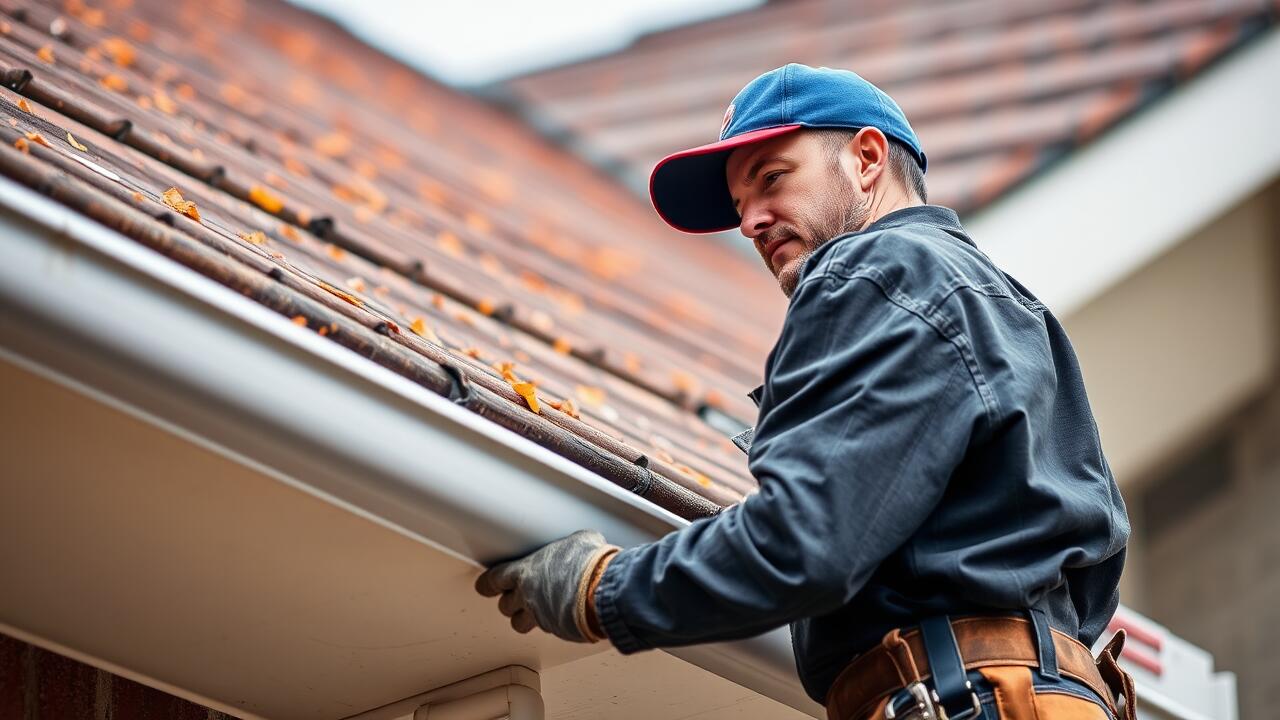
Gutter Installation
At Clean Gutter Jacksonville, we specialize in professional gutter installation services designed to enhance the functionality and longevity of your home's drainage system. Our team of experienced technicians understands the importance of properly installed gutters in protecting your property from water damage and erosion. We offer a wide range of high-quality gutter materials and styles to suit your specific needs and aesthetic preferences, ensuring a seamless fit for your home. With our attention to detail and commitment to excellence, we guarantee that your new gutters will provide reliable performance for years to come, keeping your home safe and dry. Trust Clean Gutter Jacksonville for all your gutter installation needs, where quality and customer satisfaction are our top priorities.
DIY Gutter Installation Tips
Preparing your work area is crucial before beginning the installation process. Make sure to gather all necessary tools such as a level, measuring tape, and a drill. It's important to select the right type of gutters and materials, as this will impact durability and performance. Familiarizing yourself with local building codes can help you avoid potential fines and ensure proper installation methods.
Measure carefully to ensure gutters fit your home's dimensions accurately. Installing the gutters at a slight slope helps ensure effective water drainage. Secure your gutters tightly to avoid leaks, and make sure to use corrosion-resistant fasteners for longevity. Taking time to double-check your work at each step will save you problems later on.
Common Mistakes to Avoid
One prevalent error during gutter installation is failing to ensure proper slope. Gutters should be angled toward the downspouts to allow for effective water flow. A level installation can lead to water pooling, causing damage to the gutters and the surrounding structure over time. It's crucial to measure the slope accurately before securing the gutters in place.
Another mistake is underestimating the importance of joint sealing. Neglecting to properly seal the joints can result in leaks, which diminish the system's overall efficiency. It is advisable to use high-quality sealants and to double-check all connections before completing the installation. Taking the time to address these details can save homeowners from costly repairs and complications down the line.
Maintenance After Installation
Proper upkeep is essential for the longevity of your gutter system. Regular inspections should be conducted to check for damage or clogs. Leaves, twigs, and other debris can accumulate, leading to blockages that may cause water to overflow or seep into your home. It's advisable to clear your gutters at least twice a year, ideally in the spring and late fall. This minimizes potential damage and ensures optimal performance.
In addition to cleaning, consider checking the alignment of your gutters. Over time, changes in the landscape or settling of the building can affect their slope. A slight misalignment can prevent proper water flow, leading to pooling and potential erosion of your foundation. Identifying these issues early allows for timely repairs, helping to maintain the integrity of your home and avoid costly water-related damage down the line.
Regular Inspection and Cleaning
Routine inspection and cleaning of gutters is essential for maintaining their functionality. Over time, debris such as leaves, twigs, and dirt can accumulate, leading to clogs that prevent proper water drainage. Regularly checking your gutters every few months helps identify any build-up before it becomes a larger issue. This proactive approach not only prevents water damage to your home but also extends the life of the gutters themselves.
During inspections, assess the integrity of the gutter system. Look for signs of sagging sections, rust, or paint peeling, which may indicate that repairs are necessary. Cleaning the gutters involves more than just removing debris; a thorough wash with a hose can help eliminate any stubborn residue. Implementing this maintenance routine will reduce the risk of overflow and costly repairs down the line.
Signs You Need New Gutters
Gutters play a crucial role in protecting your home from water damage, and certain signs can indicate that it’s time for a replacement. Water stains on the exterior walls or the foundation of your home can suggest that the gutters are not effectively channeling water away. Additionally, if you notice an accumulation of debris or soil erosion around the foundation, it may be a sign that your gutters are failing to direct rainwater properly.
Another clear indicator is the presence of heavy rust or corrosion on metal gutters. Over time, exposure to the elements can lead to wear and structural degradation. Peeling paint or separated joints may also signal that the gutters are no longer functioning as they should. If you observe persistent issues despite regular maintenance, it may be wise to consider installing new gutters to ensure your home remains protected and safe from water-related problems.
Identifying Issues Early
Homeowners should regularly assess their gutters for any signs of trouble. Common indicators to watch for include rust, sagging, or sections that are pulling away from the house. Noticing water pooling near the foundation or overflow during rainstorms can signal serious drainage issues as well. Checking for debris buildup is also important, since leaves and twigs can contribute to clogs and overflow.
Early identification of these problems can prevent more significant damage down the line. Addressing rust or sagging promptly can save time and money on repairs or replacements. If you observe any unusual wear or damage, it’s vital to take action before the situation worsens. Being proactive can help maintain the integrity of both the gutters and the home itself.
FAQS
What tools do I need for DIY gutter installation?
For DIY gutter installation, you typically need a ladder, measuring tape, level, saw, drill, screws, and safety gear. It's also helpful to have a miter box for cutting angles and a silicone sealant for waterproofing joints.
How often should I clean my gutters?
It's recommended to clean your gutters at least twice a year, ideally in the spring and fall. However, if you live in an area with many trees, you may need to clean them more frequently to prevent clogs.
What are some common mistakes to avoid during gutter installation?
Common mistakes include not ensuring proper slope for drainage, failing to secure gutters firmly, overlooking the need for downspouts, and neglecting to account for expansion and contraction of materials.
How can I tell if I need new gutters?
Signs that you may need new gutters include visible cracks or holes in the gutters, sagging or pulling away from the house, signs of water damage on your home’s exterior or foundation, and frequent clogs despite regular cleaning.
Is gutter installation a DIY project or should I hire a professional?
Gutter installation can be a DIY project if you have the right tools and experience. However, if you're uncomfortable with heights or lack the necessary skills, hiring a professional is advisable to ensure proper installation and safety.