Can you install your own guttering?
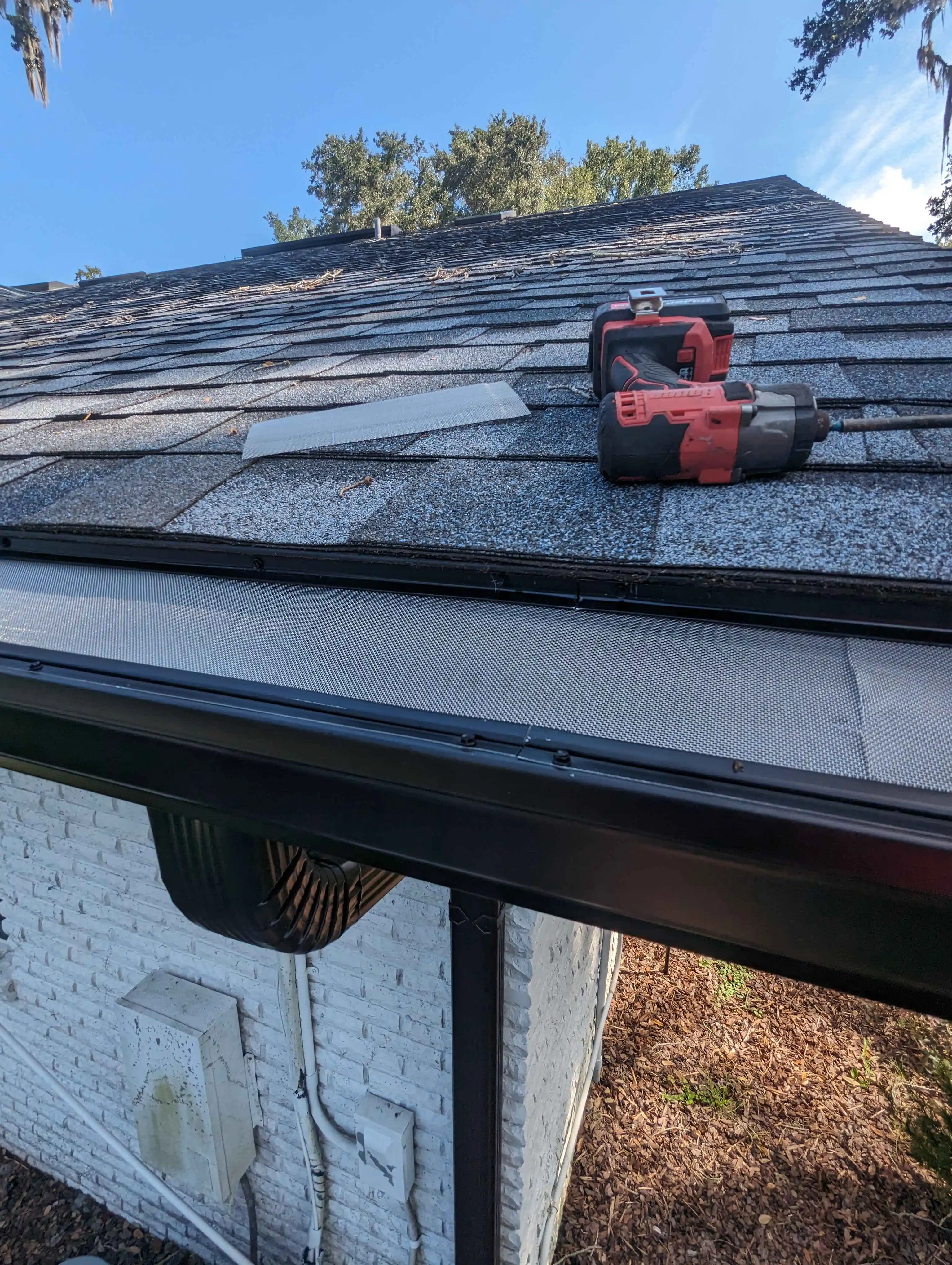
Step-by-Step Installation Process
When embarking on gutter installation, the first step is to gather all necessary materials. This typically includes gutters, downspouts, brackets, screws, and a sealant. Begin by measuring the length of your roofline to determine the type and length of gutter needed. It is crucial to choose the right tools, such as a ladder, level, and saw for cutting the gutters to the appropriate size. Carefully plan the installation, ensuring that the pitch allows for proper water flow towards the downspouts.
Once everything is prepared, start by securing the hangers to the fascia board at regular intervals. It is important to maintain a slight slope towards the downspouts to ensure efficient drainage. After attaching the hangers, install the gutter sections by fitting them together and securing them with screws. Once the gutter system is in place, check for any gaps that may require sealant. This step is essential for preventing leaks and ensuring that your gutter installation functions effectively.
Detailed Instructions for Installing Guttering
Begin by measuring the length of the area where you will install the guttering. Use a level to ensure that the slope is adequate for water drainage, typically a drop of ¼ inch per 10 feet. Cut your gutter sections to fit the measurements. Align the gutter sections with the edge of the roof and secure them using mounting brackets at regular intervals, usually every two feet.
For gutter installation, it is essential to connect each section properly to prevent leaks. Use sealant at the joints and then attach the end caps to finalize the structure. After attaching all sections, check the alignment and slope again before securing the downspouts. Ensure the downspouts are positioned correctly to direct water away from the foundation of your home.
Common Mistakes to Avoid
One common mistake in gutter installation is neglecting to measure accurately. Inaccurate measurements can lead to misaligned sections, creating gaps that allow water to escape. This oversight can ultimately result in water damage to the foundation of your home. Ensuring that you have precise measurements from start to finish will significantly ease the installation process and enhance the functionality of your gutters.
Another frequent pitfall is failing to account for the slope required for proper drainage. Gutters must be slightly angled towards the downspouts to facilitate the flow of rainwater. Without this slope, water accumulation can occur, leading to overflow and potential damage. Taking the time to set the right angle during gutter installation is crucial for effective moisture management around your property.
Pitfalls That Can Impact Your Installation
Many homeowners take on gutter installation as a DIY project without fully understanding the challenges involved. One common pitfall is failing to properly measure the length of the gutters needed for the installation. Inaccurate measurements can lead to inadequate drainage, causing water to overflow or pool around your foundation. Additionally, neglecting to account for the pitch of the gutters during installation can create drainage issues, leading to stagnant water that can damage the gutter and your home’s structure.
Another significant mistake occurs when choosing the wrong materials for your gutter installation. Selecting low-quality materials may seem cost-effective initially but could result in additional costs and repairs in the future. Improper or insufficient fastening and support for the gutters can also lead to sagging or breaking, which compromises their functionality. Taking the time to research materials and installation techniques can prevent these issues and ensure that your gutters perform effectively for years to come.
Maintenance Tips for Your Guttering
Regular maintenance is essential to ensure that your guttering system remains effective. After completing your gutter installation, inspect the system at least twice a year for signs of wear or damage. Clean out leaves, twigs, and other debris to prevent blockages that could lead to overflowing. Pay close attention to the joints and seams, as these areas are prone to leaks, especially after heavy rainfall.
In addition to cleaning, consider checking the pitch of your gutters. An improper angle can cause water to pool rather than flow towards the downspouts. If you notice any sagging sections, you may need to adjust the hangers. Keeping your gutters well-maintained not only extends their lifespan but also protects your home from potential water damage caused by poor drainage.
How to Keep Your Guttering in Good Shape
Regular maintenance is key to ensuring your guttering system remains in optimal condition. Inspect your gutters at least twice a year, preferably in the spring and fall. Look for signs of wear, such as rust, cracks, or loose sections. Clear out any debris like leaves and twigs that can block water flow. Clean the downspouts as well to prevent clogs. If you notice any significant damage, address it promptly to avoid more extensive repairs.
Cleaning your gutters involves more than just removing debris. Consider washing them with a mild detergent to eliminate dirt and algae buildup. During gutter installation, select materials that are resistant to corrosion and heavy weather conditions. This choice can prolong the lifespan of the gutters and reduce maintenance needs. Regular checks after heavy rain or storms can help identify potential issues early, fostering better functionality throughout the year.
FAQS
Can I install my own guttering without professional help?
Yes, many homeowners can install their own guttering with the right tools, materials, and instructions. However, it's important to assess your comfort level with DIY projects before proceeding.
What tools do I need to install guttering?
Common tools needed for gutter installation include a ladder, measuring tape, saw, drill, level, and safety gear. Additionally, you may need specific gutter hangers and connectors depending on the system you choose.
How long does it typically take to install guttering?
The time required to install guttering can vary depending on the size of your home and your experience level, but most DIY installations can take anywhere from a few hours to a full day.
What are some common mistakes to avoid when installing guttering?
Common mistakes include improper slope for drainage, not securing gutters firmly, overlooking downspout placement, and failing to clean out debris regularly. These can lead to leaks and water damage.
How can I maintain my guttering after installation?
To keep your guttering in good shape, schedule regular inspections, clean out leaves and debris, check for rust or damage, and ensure downspouts are clear and directing water away from your foundation.