Can you replace a downspout yourself?
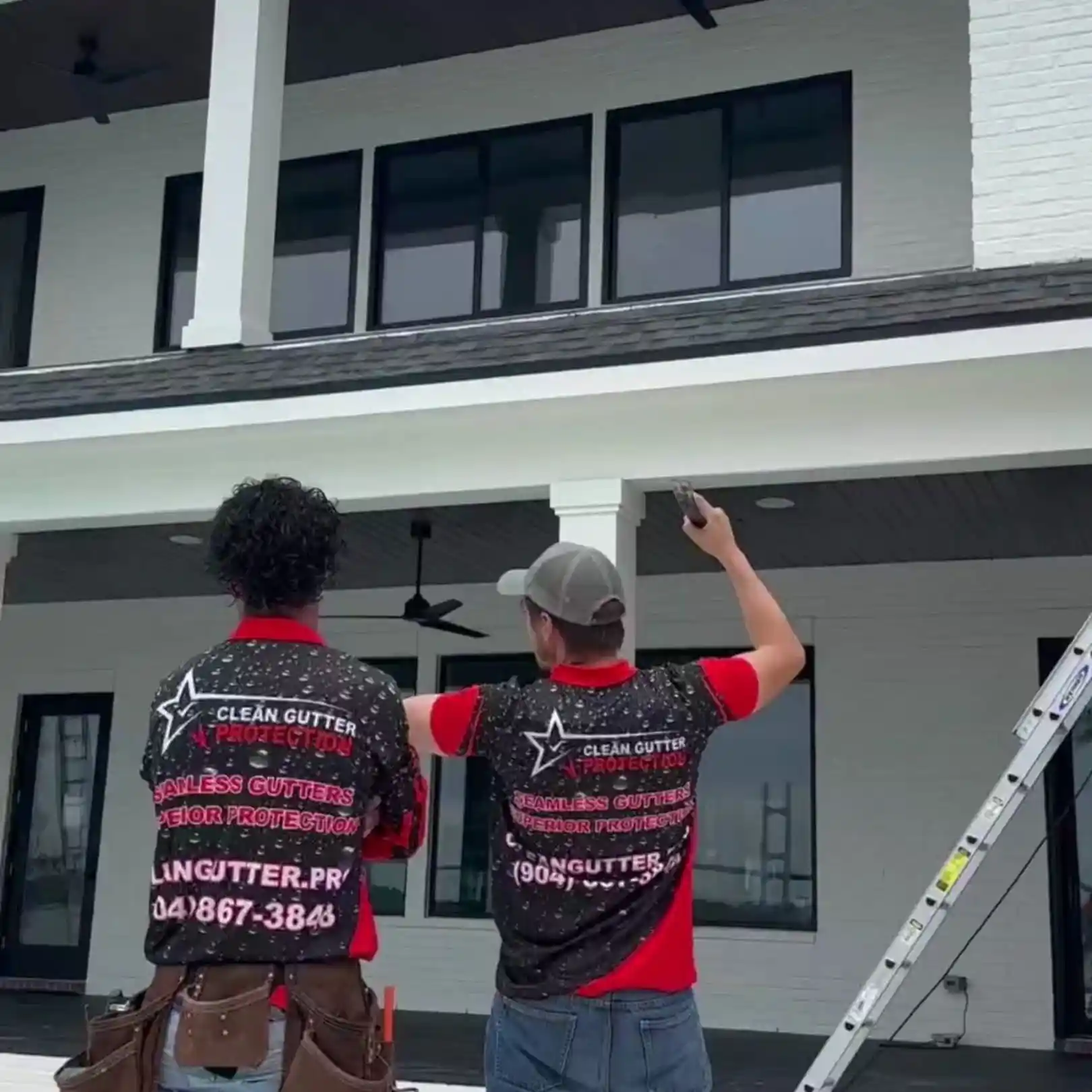
Installing the New Downspout
Installing a new downspout can be a straightforward DIY project with the right tools and materials. Begin by preparing the work area. Gather a measuring tape, a hacksaw, and a level. Measure the length needed to connect the downspout to the existing gutter system, ensuring it matches the required specifications. Cut the downspout pieces accordingly, keeping in mind that a little extra length can help with adjustments during installation.
Next, attach the downspout to the wall of your home. Use brackets or straps designed for downspout replacement to create a secure fit. Position the downspout so it directs water away from the foundation of the house. Make sure everything is aligned correctly and use a level to check that it is straight. This careful installation will help prevent water pooling and further damage to your property.
Step-by-Step Installation Process
Replacing a downspout can seem daunting, but it becomes manageable with a systematic approach. Start by gathering the necessary tools, including a ladder, measuring tape, drill, and various fasteners. Safety is key, especially when working at heights. Measure the length needed for your new downspout and cut it accordingly. Ensure the cut edges are smooth to facilitate a snug fit in the existing system.
After preparing the downspout, the next step involves positioning it in place. Align the downspout with the existing gutter and use brackets or straps to secure it firmly. Check for alignment to ensure that water will flow smoothly down the new downspout without any obstructions. Once everything is positioned accurately, drill into the building surface to attach the downspout securely. Following these clear steps can help you successfully complete your downspout replacement.
Securing the Downspout Properly
Securing the downspout properly is crucial for its longevity and effectiveness. When replacing a downspout, ensure that all connections are snug and watertight. Use screws or brackets specifically designed for downspouts to hold them firmly in place. It's essential to check that the downspout is aligned correctly with the gutter system. Misalignment can lead to water pooling or improper drainage, potentially damaging your home’s foundation over time.
Best practices for stability involve using proper mounting techniques. When completing a downspout replacement, consider adding additional brackets for extra support, especially in areas prone to strong winds or heavy rain. This helps prevent the downspout from becoming loose or detached. Regular inspections can also ensure that all components remain secure and functional, ultimately protecting your property from water-related issues.
Best Practices for Stability
When undertaking downspout replacement, ensuring stability is crucial for its effective functioning. Start by using sturdy materials that can withstand weather elements. Choosing the right diameter and length for your downspout prevents unnecessary stress on the connections. It’s also important to secure the downspout to the house or directly to the wall with brackets. These brackets should be installed at regular intervals to provide adequate support and minimize any movement during heavy rainfall.
Regular inspections of the downspout can help maintain its integrity over time. Look for signs of wear or looseness at the connections and brackets. Tightening these as needed ensures that the downspout remains secure even under extreme weather conditions. Consider adding a splash block at the bottom of the downspout to direct water away from the foundation, preventing potential damage and enhancing stability during heavy downpours.
Connecting to the Gutter System
Connecting a new downspout to your existing gutter system is crucial for efficient water drainage. Begin by positioning the downspout to align perfectly with the opening of the gutter. It is essential to ensure that the top of the downspout sits snugly against the gutter to allow for a seamless water transition. If the opening is wider than the downspout, you may need to use adapter fittings to create a secure connection and prevent leaks.
Once the downspout is in place, secure it using screws or rivets. This provides stability and ensures that the downspout can handle the weight of water during heavy rain without disconnecting. If your installation includes multiple downspouts, verify that they all properly connect to the gutter system to maintain proper water flow. A well-executed downspout replacement not only helps in effective drainage but also protects your home’s foundation from water-related issues.
Ensuring Proper Water Flow
Proper alignment of the downspout is essential for ensuring water flows efficiently from the gutters. The downspout should be positioned so that it directs rainwater away from the foundation of your home. Any angle adjustments might be necessary to avoid pooling or overflowing, which can lead to water damage. Make sure the connection points are tight and secure to prevent any leaks during heavy rainfall.
To further enhance water flow, consider installing a splash block or extension at the base of the downspout. This helps disperse water evenly and minimizes soil erosion around the foundation. During the downspout replacement process, double-check all joints for secure fittings. Regular maintenance and cleaning of the gutter system will also help maintain optimal water flow and prevent blockages.
FAQS
Can I replace a downspout myself?
Yes, you can replace a downspout yourself if you have basic tools and some DIY experience. The process generally involves removing the old downspout and installing a new one, which can be done with careful planning and execution.
What tools do I need to replace a downspout?
Common tools required include a screwdriver, a hacksaw or PVC cutter (depending on the material), a level, and possibly a drill for securing brackets. Safety gear like gloves and goggles is also recommended.
How do I ensure the new downspout is installed correctly?
Follow the step-by-step installation process carefully. Make sure the new downspout is aligned correctly with the gutters and is securely fastened to the wall to prevent any movement. Using a level can help ensure it is straight.
What are some best practices for securing the downspout?
Use brackets to firmly attach the downspout to the wall, ensuring they are spaced appropriately. Additionally, check that the downspout is angled away from the foundation of your home to promote proper drainage.
How do I connect the new downspout to the gutter system?
Align the top of the downspout with the gutter outlet and secure it in place. Make sure there are no gaps between the downspout and the gutter to prevent leaks, and ensure that water flows freely from the gutter into the downspout.