Do gutter guards get clogged?
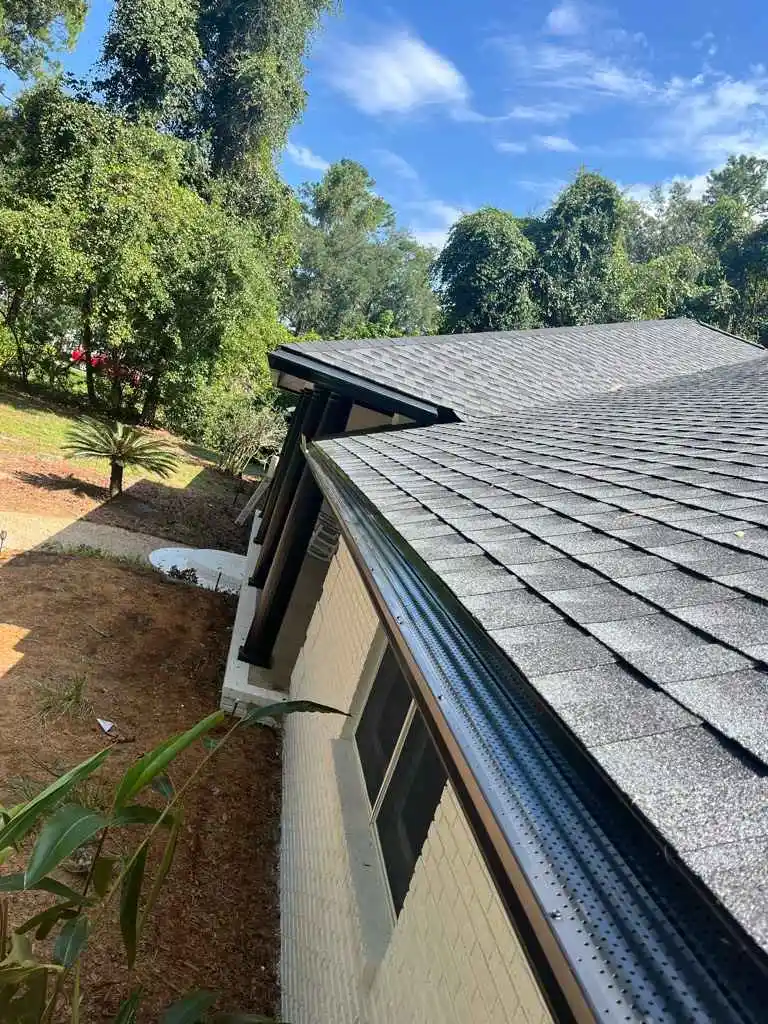
Maintenance Tips for Gutter Guards
Regular inspection is essential for effective Gutter Guard Maintenance. Homeowners should check their gutter guards at least twice a year, preferably before and after the fall season. This routine allows you to identify any issues early, such as debris buildup or damage that may compromise their performance. Look for signs of clogs or any wear and tear on the guards themselves. Cleaning any accumulated leaves or foreign materials helps ensure the guards function as intended.
In addition to inspections, maintaining the area around the gutters is crucial. Trim back overhanging branches to prevent them from dropping debris on the guards. This proactive approach reduces the likelihood of clogs and extends the lifespan of your gutter guards. Consider investing in a maintenance plan if you're unable to perform regular upkeep. Hiring professionals can provide peace of mind, ensuring that your gutter system remains efficient and functional year-round.
How to Ensure Optimal Performance
Regular Gutter Guard Maintenance is essential for ensuring that your gutter system remains effective. Cleaning debris from the surface of the guards prevents buildup and allows rainwater to flow freely into the gutters. Neglecting this upkeep can lead to clogs, which undermine the purpose of the guards. Checking for any gaps or damages during maintenance allows you to address potential problems before they escalate.
Properly installed gutter guards are only effective when maintained consistently. Seasonal inspections can help identify any issues caused by harsh weather or falling leaves. Addressing any signs of blockage promptly will keep your gutters functioning optimally and extend the lifespan of the system. Adopting a proactive approach to Gutter Guard Maintenance can save homeowners from costly repairs and ensure a well-functioning drainage system.
Professional vs. DIY Installation
When homeowners consider the installation of gutter guards, they often weigh the pros and cons of professional versus DIY methods. Professional installation offers the assurance of expert knowledge and experience. This can be particularly beneficial for complicated roofing structures or homes with hard-to-reach gutters. Professionals are typically equipped with the necessary tools and safety gear, minimizing the risk of accidents during installation. Additionally, they often provide warranties that cover both the materials and the work performed.
On the other hand, opting for a DIY installation can save money, appealing to those with a background in home improvement. Homeowners who are comfortable with handyman tasks might find the process straightforward, particularly with the availability of kits designed for easy assembly. However, proper installation is crucial for effective gutter guard maintenance, as misalignment can lead to debris accumulation and decreased performance. Those choosing the DIY route should be vigilant in following guidelines closely to maximize the effectiveness of their gutter guards.
Choosing the Right Installation Method
When deciding on the right installation method for gutter guards, homeowners should weigh the benefits of professional expertise against the convenience of a DIY approach. Professional installation typically ensures that the guards are fitted correctly and can offer insights into the best products for specific roof and gutter systems. This expertise can prevent common issues such as improper alignment, which may lead to clogs or ineffective drainage.
On the other hand, a DIY installation can be a cost-effective choice for homeowners comfortable with basic home improvement tasks. It allows for greater control over the process and adjustments according to personal preferences. However, thorough research and preparation are crucial, especially regarding Gutter Guard Maintenance. Understanding the specific requirements of the chosen product can significantly impact its long-term effectiveness in keeping debris out of the gutters.
Benefits of Using Gutter Guards
Gutter guards offer numerous advantages for homeowners looking to streamline their maintenance routines. By reducing the frequency of cleaning, they minimize the buildup of debris, leaves, and twigs that can cause clogs. This means less time spent on ladders or hiring professionals, leading to both cost savings and increased safety. Regular gutter guard maintenance ensures that they function effectively, prolonging the life of the gutters themselves.
Furthermore, the use of gutter guards can help prevent water damage caused by overflowing gutters. When gutters are blocked, water can seep into the foundation or cause leaks in the home. By incorporating gutter guards, homeowners can significantly reduce the risk of such issues. Effective gutter guard maintenance not only protects the structural integrity of the property but also enhances its overall value and appeal.
Why Homeowners Choose Gutter Guards
Homeowners often choose gutter guards to simplify their gutter maintenance routine. With these protective systems in place, the accumulation of leaves, twigs, and other debris is significantly reduced. This means less frequent cleaning and less risk of clogs forming, which can lead to water damage over time. Gutter guards act as a first line of defense, keeping gutters clear and ensuring proper water flow.
Another reason for the increasing popularity of gutter guards is their long-term cost efficiency. While the initial investment might seem significant, the reduction in maintenance costs and the potential for avoiding costly repairs make them a wise choice. Regular Gutter Guard Maintenance can further extend their lifespan, ensuring optimal performance. This combination of convenience and financial savings is appealing to many homeowners looking to protect their homes.
FAQS
Do gutter guards get clogged?
Yes, gutter guards can get clogged over time, especially if they are not properly maintained or if debris accumulates beyond their capacity. Regular cleaning and inspection can help minimize this issue.
How often should I clean my gutter guards?
It is generally recommended to clean your gutter guards at least once or twice a year, or more frequently in areas with heavy foliage or extreme weather conditions.
Can gutter guards eliminate the need for maintenance?
While gutter guards significantly reduce the amount of debris that enters gutters, they do not completely eliminate the need for maintenance. Regular checks are necessary to ensure they are functioning properly.
What types of debris can clog gutter guards?
Common debris that can clog gutter guards includes leaves, twigs, pine needles, and dirt. Insects and small animals may also contribute to blockages if they find their way into the gutters.
Are there different types of gutter guards that perform better against clogging?
Yes, there are several types of gutter guards, such as mesh, reverse curve, and foam filters. Each type has its own level of effectiveness against clogging, so it’s important to choose one that fits your specific environment and needs.