How are downspouts installed?
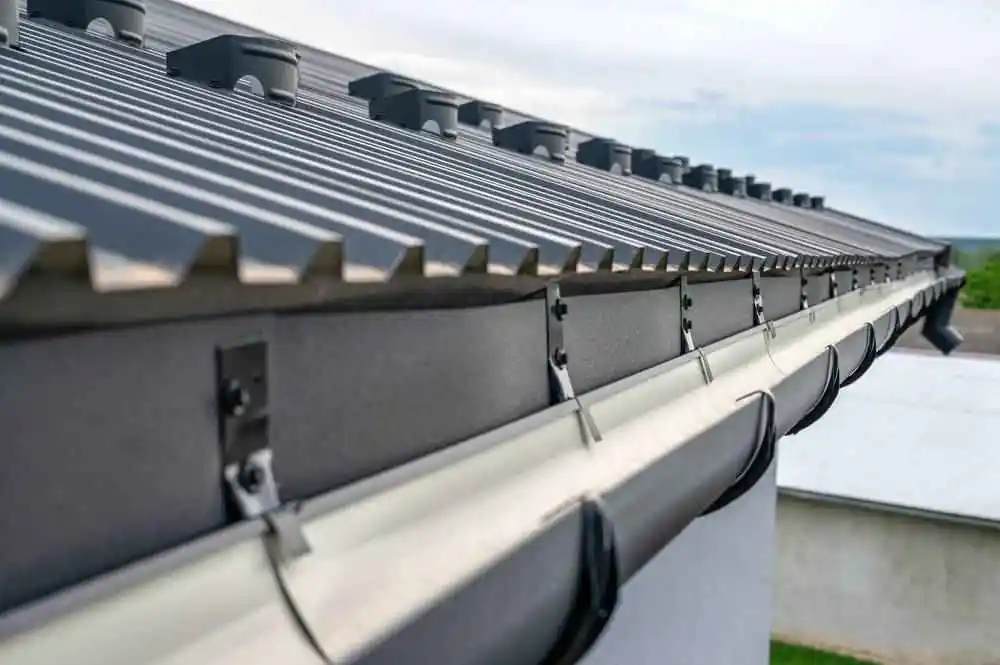
Installing Downspout Brackets
Installing downspout brackets is crucial for a stable and effective downspout system. Begin by measuring the vertical position of the downspout against the wall where it will be installed. Mark the location of the brackets according to the measurements. Generally, it is recommended to place the brackets every four to six feet to provide adequate support. Using a level, ensure the brackets are aligned properly to maintain a straight downspout, which will help prevent water pooling and ensure efficient drainage during rain.
After marking the bracket positions, use a drill to secure them to the wall. Select appropriate screws that can withstand outdoor conditions. Proper spacing of the brackets is essential for Downspout Installation as it allows for expansion and contraction of the material due to temperature changes. Once the brackets are firmly attached, they will provide a stable framework to hold the downspout securely in place, maintaining both functionality and structural integrity.
Proper Placement and Alignment Techniques
Proper placement and alignment are crucial for effective downspout installation. Begin by determining the optimal location on the building where the downspout will be positioned, ensuring it directs water away from the foundation. Common practice involves placing downspouts at corners or below gutter outlets. Using a level will help maintain a straight alignment throughout the installation process.
Once you've marked the location, secure the downspout brackets to the wall. Position them about every 5 to 6 feet along the length of the downspout for stability. Adjustments may be needed to ensure that the downspout follows a consistent angle towards the drainage system. This alignment prevents water pooling and helps maintain the functionality of the entire system, ultimately protecting the building’s foundation from potential damage.
Attaching the Downspout to the Gutter
To begin downspout installation, carefully position the downspout at the designated opening of the gutter. It is important to ensure that the downspout aligns perfectly with the gutter’s outlet to facilitate a smooth flow of water. Use the appropriate fittings, such as elbows or connectors, if necessary. This step is crucial for preventing unnecessary leaks and directing rainwater effectively away from the foundation.
Once the downspout is in position, secure it to the gutter using screws or brackets. These fasteners help maintain the stability of the connection, especially during heavy rainfalls. Verify that the attachment point is snug and well-fitted. Conduct a final check to ensure everything is aligned properly. This careful approach will provide a lasting and functional downspout installation that safeguards the integrity of your home's exterior.
Ensuring a Secure Connection
A secure connection during downspout installation is essential for the effective channeling of rainwater away from the foundation of a home. Begin by ensuring that the downspout fits snugly against the gutter. Most downspouts come with pre-drilled holes for screws or rivets. Using appropriate fasteners, attach the downspout firmly to the gutter to prevent any leaks or disconnections during heavy rainfall.
Next, double-check for any gaps between the downspout and the gutter. If necessary, use sealant or caulk to fill these gaps, providing an additional layer of protection. Properly affixing the downspout not only enhances functionality but also prolongs its lifespan. With a secure connection in place, homeowners can feel confident that their drainage system will operate efficiently during all weather conditions.
Connecting the Downspout to Drainage System
Establishing a proper connection between your downspout and drainage system is essential for effective water management around your home. During downspout installation, it is important to consider where the water will be directed once it leaves the downspout. Homeowners often choose to connect their downspouts to underground drainage systems or direct them towards a natural drainage area to prevent pooling or erosion around the foundation.
Many options are available for connecting the downspout to the drainage system. For example, installing a pop-up emitter can help disperse water when it backs up during heavy rains. Alternatively, utilizing a flexible drainage pipe can allow for swift water movement away from the house. Whatever system is chosen, ensuring that it is properly graded and that the connections are secure is vital for the long-term effectiveness of your downspout installation.
Understanding Drainage Options
Proper drainage is essential to direct rainwater away from the foundation of a home. Various options exist depending on the landscape and soil conditions. Common methods include connecting downspouts to underground drainage systems, which can help transport water to a more distant area, away from the structure. In some cases, homeowners may also choose gravel pits or dry wells as an alternative to allow water to soak into the ground gradually.
Downspout installation also requires considering the slope of the property. Ensuring that downspouts channel water away from the house minimizes the risk of flooding or erosion. Additionally, homeowners should evaluate local regulations concerning drainage solutions, as some areas may have specific guidelines to follow. Taking these factors into account leads to more effective drainage while protecting the home from water damage.
FAQS
What are downspouts, and why are they important?
Downspouts are vertical pipes that carry rainwater from the gutters of a building to the ground or drainage system. They are important for directing water away from the foundation of a structure, preventing water damage and erosion.
What tools do I need to install downspouts?
To install downspouts, you typically need tools such as a drill, screws, a level, a measuring tape, tin snips, and possibly a ladder for reaching higher areas.
How do I determine the proper placement for downspouts?
Proper placement for downspouts involves considering the roof's slope, the locations of the gutters, and the direction in which you want to direct the water. It's generally recommended to place downspouts at the corners of your home or where the gutters meet.
What should I do if my downspout is clogged?
If your downspout is clogged, you can try using a plumbing snake or a high-pressure water hose to clear it. If the blockage persists, it may be necessary to disassemble the downspout for a thorough cleaning.
Can I connect my downspout directly to a drainage system?
Yes, you can connect your downspout directly to a drainage system, such as a French drain or a stormwater system. Ensure that the connection is secure and that the drainage system is properly designed to handle the volume of water.