How do you repair guttering?
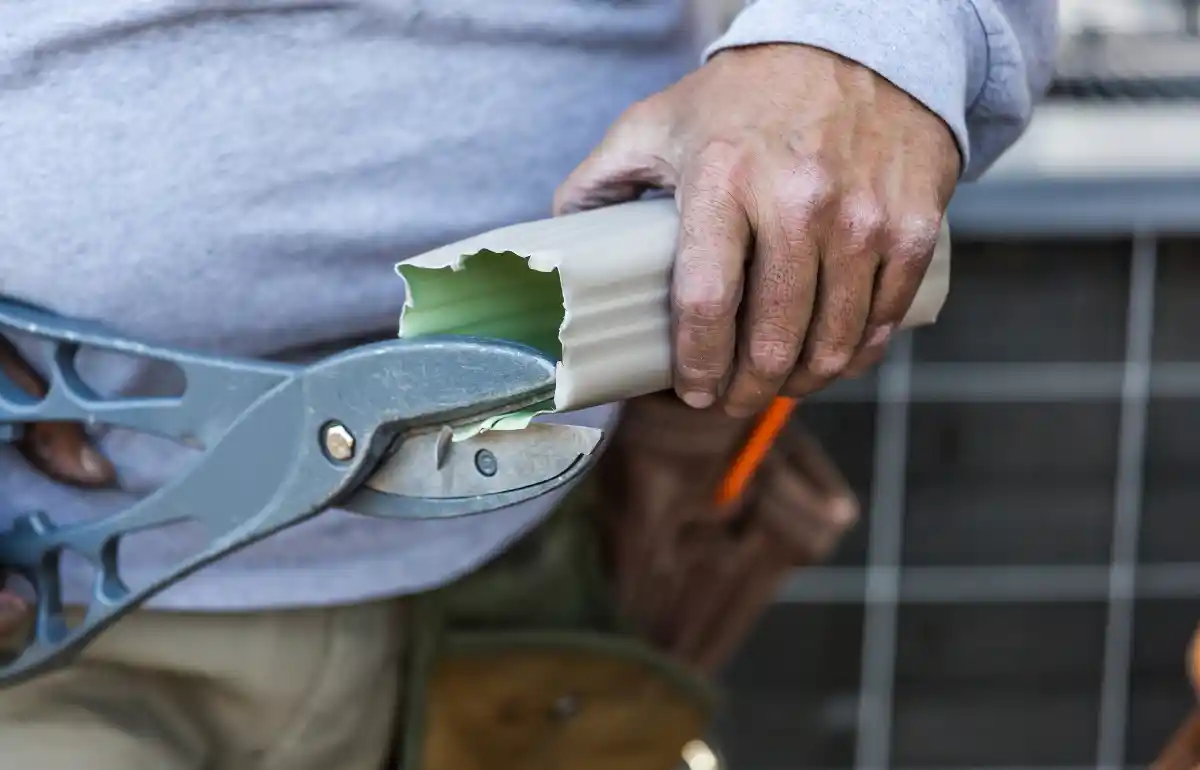
Fixing Hangers and Supports
Gutter Repair often begins with assessing the condition of hangers and supports. These components are vital for keeping gutters securely attached to the fascia board. Over time, they may become loose or corroded, causing the gutters to sag or become detached. Inspecting each hanger and support regularly is crucial to maintaining the functionality of your gutter system. If any are damaged, replacing them promptly can prevent further issues, such as water pooling or foundation damage.
When fixing hangers and supports, it’s important to ensure they are adequately spaced. Generally, hangers should be installed every two to three feet along the length of the gutter. Verify that they are securely fastened and correctly positioned to allow for proper drainage. Reinforcing loose areas and addressing any deficiencies with additional supports can help extend the lifespan of your gutters while avoiding costly repairs in the future.
Ensuring Proper Support for Gutters
Proper support is crucial for the effective function of gutters, as sagging or poorly anchored systems can lead to leaks and water damage. Inspect the hangers and brackets that hold the gutters in place. Ensure they are tightly secured and not rusted or broken. Replacing any damaged supports will not only improve functionality but also extend the lifespan of the gutter system.
In many cases, adjusting the spacing of the hangers can prevent future issues. Ideally, the hangers should be placed every two feet to provide adequate support. Performing gutter repair by maintaining consistent spacing helps distribute the weight of debris and water evenly. This proactive approach can save homeowners from costly repairs down the line and ensure that the guttering system operates efficiently during heavy rainfall.
Installing Gutter Guards
Gutter guards are a critical addition to any guttering system. They help prevent debris buildup that can lead to clogs and water overflow. By installing these guards, homeowners can reduce the frequency of gutter maintenance and gutter repair. Various types of guards are available, including mesh screens, solid covers, and a combination of both. Choosing the right type depends on the specific needs of the property and local environmental factors.
Having gutter guards in place not only aids in the prevention of damage but also increases the overall lifespan of the guttering system. The guards allow rainwater to flow freely while blocking leaves, twigs, and other debris. This proactive measure minimizes the need for repairs, thus saving time and money in the long run. Investing in gutter guards can ultimately lead to a more efficient water management system around a home.
Benefits of Gutter Guard Installation
Gutter guards play a crucial role in maintaining the integrity of your gutter system. By preventing leaves, debris, and other obstructions from entering the gutters, these guards significantly reduce the likelihood of clogs. Less obstruction leads to fewer instances where gutter repair is necessary. Homeowners can save time and money by minimizing the frequency of gutter cleaning, ensuring a more efficient water drainage system.
Another advantage of installing gutter guards is the protection they offer against the formation of ice dams. In colder climates, gutters filled with debris can trap water, which may freeze and cause significant damage. By keeping water flowing freely, gutter guards help prevent costly ice-related gutter repairs. Additionally, a clear and functioning gutter system contributes to the longevity of your home's foundation and landscaping.
Checking Downspouts
Downspouts play a crucial role in directing water away from your home’s foundation. When checking them, ensure they are not clogged with debris, leaves, or dirt. A blockage can lead to overflow, which may cause damage to both the gutters and the surrounding areas. Regular maintenance is essential for optimal function. Gutter repair may be necessary if downspouts show signs of bending, leaking, or have become disconnected from the gutters.
Water flow through the downspouts should be unobstructed and swift. Observing the flow during a rainstorm or using a hose can help identify issues. If water pools near the foundation or fails to exit the downspout entirely, adjustments may be needed. It’s important to maintain proper angles and secure connections. In some cases, downspouts may need to be replaced or reinforced, which falls under the broader category of gutter repair.
Ensuring Proper Water Flow
Proper water flow is essential for an effective gutter system. If downspouts are clogged or misaligned, water may pool in the gutters, leading to potential damage. Regular inspection and maintenance can help identify issues before they escalate. Ensuring that downspouts are securely attached and free from debris is crucial for optimal performance. Routine cleaning can prevent blockages caused by leaves, dirt, and other debris.
During gutter repair, check the pitch of the downspouts to confirm that they direct water away from your home’s foundation. Ideally, downspouts should angle downward, allowing water to flow freely. If any sections are bent or improperly placed, adjustments may be necessary. Proper flow management not only protects the integrity of your home but also prolongs the lifespan of the gutter system.
FAQS
What tools do I need to repair my guttering?
Common tools for repairing guttering include a ladder, a drill, screws, a screwdriver, a level, sealant, and safety gloves. Depending on the specific repair, you may also need additional tools like a saw or a wrench.
How do I know if my gutters need repair?
Signs that your gutters need repair include visible sagging or separation from the house, leaks or water pooling around the foundation, rust or corrosion on metal gutters, and overflowing during rainstorms.
Can I repair my gutters myself, or should I hire a professional?
Many gutter repairs can be done as DIY projects if you have the necessary tools and skills. However, for extensive damage or difficult access areas, hiring a professional may be a better choice to ensure safety and proper repairs.
What are gutter guards and why should I install them?
Gutter guards are protective screens or mesh installed over gutters to prevent leaves, debris, and pests from clogging the system. They help reduce maintenance and prolong the lifespan of your gutters by ensuring proper water flow.
How often should I check and maintain my gutters?
It’s recommended to check and maintain your gutters at least twice a year, preferably in the spring and fall. However, you should also inspect them after heavy storms or if you notice any signs of damage.