What is the best way to clean a downspout?
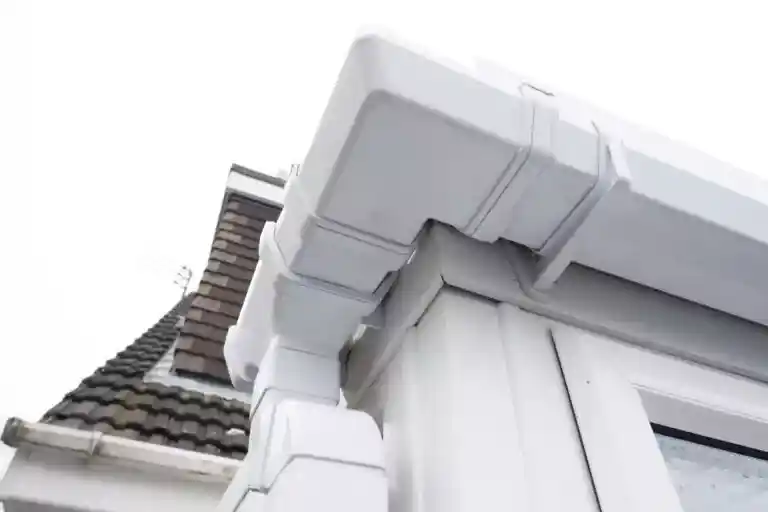
Alternative Methods for Cleaning Downspouts
Alternative methods for cleaning downspouts can offer practical solutions to homeowners looking to maintain their gutters efficiently. One common approach involves using a plumber's snake to remove blockages deep within the downspout. This tool can navigate bends and curves, breaking up debris that may have settled tightly. For those who prefer a less invasive method, a garden hose can also be effective. By using a high-pressure nozzle, water can be forced through the downspout, often dislodging minor clogs while providing a thorough rinse.
Another option for downspout cleaning includes the use of biodegradable cleaners. These products can help break down organic matter that builds up over time without harming the environment. Homeowners may also consider investing in attachments that optimize their pressure washers for gutter maintenance. This method combines the efficiency of high-pressure water with the convenience of easily accessible tools, allowing for a quick and effective cleaning process. Each alternative presents its own advantages and can be tailored to individual needs and preferences, ensuring that downspouts remain clear and functional.
Using Professional Services vs. DIY
Choosing between professional services and a DIY approach for downspout cleaning depends largely on individual preferences and the complexity of the task. Hiring a professional can ensure that the job is done thoroughly and safely, particularly for those who may not have the right tools or experience. Professionals often carry equipment designed to handle tough clogs and can inspect the entire drainage system for potential issues. This approach not only saves time but can also prevent damage from improper cleaning techniques.
On the other hand, DIY downspout cleaning can be a cost-effective option for homeowners willing to invest their time and effort. Basic tools such as a hose, a plumber's snake, or a pressure washer can often do the trick for minor clogs and routine maintenance. However, those tackling this task should exercise caution, especially when climbing ladders or working in high areas. Regular inspections can help in identifying early signs of blockage, allowing for manageable upkeep without requiring professional intervention.
Preventive Measures for Downspouts
Keeping downspouts clear and functional requires proactive measures. Regular inspections can help catch debris buildup before it leads to significant blockages. Installing gutter guards allows for a barrier against leaves and larger particles. This maintenance not only enhances water flow but also reduces the frequency of downspout cleaning needed throughout the year.
Additionally, directing drainage away from your home's foundation plays a vital role in preventive care. Utilize extensions or flexible piping to ensure water is redirected away from vulnerable areas. Consider seasonal assessments to adapt your strategy as weather patterns change. Implementing these preventive measures can greatly enhance the longevity of your downspouts and minimize costly repairs.
Strategies to Avoid Future Clogs
Regular maintenance can significantly reduce the likelihood of clogs in downspouts. Consider installing mesh screens or gutter guards to catch debris before it enters the system. These protective measures allow water to flow freely while keeping leaves, twigs, and other materials from accumulating. It's a simple step that can save time and effort in the long run.
Another effective strategy involves routinely inspecting and cleaning gutters and downspouts every few months. This proactive approach helps to identify early signs of blockages and allows for timely intervention. During downspout cleaning, pay close attention to joints and connections as these areas are prone to buildup. Consistent checks can ultimately enhance the efficiency and longevity of your drainage system.
Seasonal Considerations for Downspout Maintenance
Seasonal changes can significantly affect the condition and functionality of downspouts. In the fall, leaves and debris commonly accumulate, leading to potential blockages. Regular downspout cleaning during this period allows homeowners to prevent water overflow and potential damage to their property. Winter brings its own challenges, as ice can form in downspouts, causing them to freeze and crack. Monitoring the state of downspouts throughout the colder months ensures that they remain clear and functional when spring rains arrive.
Spring is an ideal time for comprehensive downspout cleaning after the winter thaw. Ice and debris removal will help facilitate proper drainage as snow melts. It's also beneficial to assess the downspouts for any damage or wear that may have occurred over the winter. Additionally, summer storms can introduce more debris, making routine maintenance important. By timing downspout cleaning thoughtfully, homeowners can maintain efficient water flow and protect their roofs and foundations from water-related issues.
Best Times to Clean Downspouts
Regular maintenance of downspouts is essential to ensure they function effectively throughout the year. The best times to schedule downspout cleaning are typically in spring and autumn. These seasons are ideal because they follow periods when heavy rainfall or leaf buildup can occur. Spring cleaning helps address debris from winter storms, while autumn maintenance tackles leaves that can clog the system as they fall.
Many homeowners overlook the importance of cleaning downspouts before the winter months. Snow and ice can exacerbate existing clogs, leading to potential ice dams and structural water damage. Scheduling downspout cleaning before the onset of winter can prevent these issues and ensure that your drainage systems are prepared for rain and melting snow.
FAQS
How often should I clean my downspouts?
It is generally recommended to clean your downspouts at least twice a year, typically in the spring and fall. However, if you have overhanging trees or experience heavy rainfall, you may need to clean them more frequently.
What tools do I need to clean a downspout effectively?
To clean a downspout, you will need a few basic tools, including a ladder, a garden trowel or scoop, a plumbing snake or auger for stubborn clogs, and a bucket for collecting debris. A hose with a spray nozzle can also be helpful for flushing out any remaining dirt.
Can I use a pressure washer to clean my downspouts?
Yes, a pressure washer can be effective for cleaning downspouts, but it should be used with caution. Make sure to use a low-pressure setting to avoid damaging the downspout or dislodging any fittings.
What are some preventive measures to avoid clogs in downspouts?
To prevent clogs, regularly clean gutters and remove debris that may block the flow of water. Installing gutter guards, keeping nearby foliage trimmed, and ensuring proper drainage away from the foundation can also help minimize future clogs.
When is the best time to perform downspout maintenance?
The best times to maintain your downspouts are in the spring and fall. This is when debris from trees and plants is most likely to accumulate, making it essential to keep your downspouts clear before heavy rains occur.