Can you add downspout to an existing gutter?
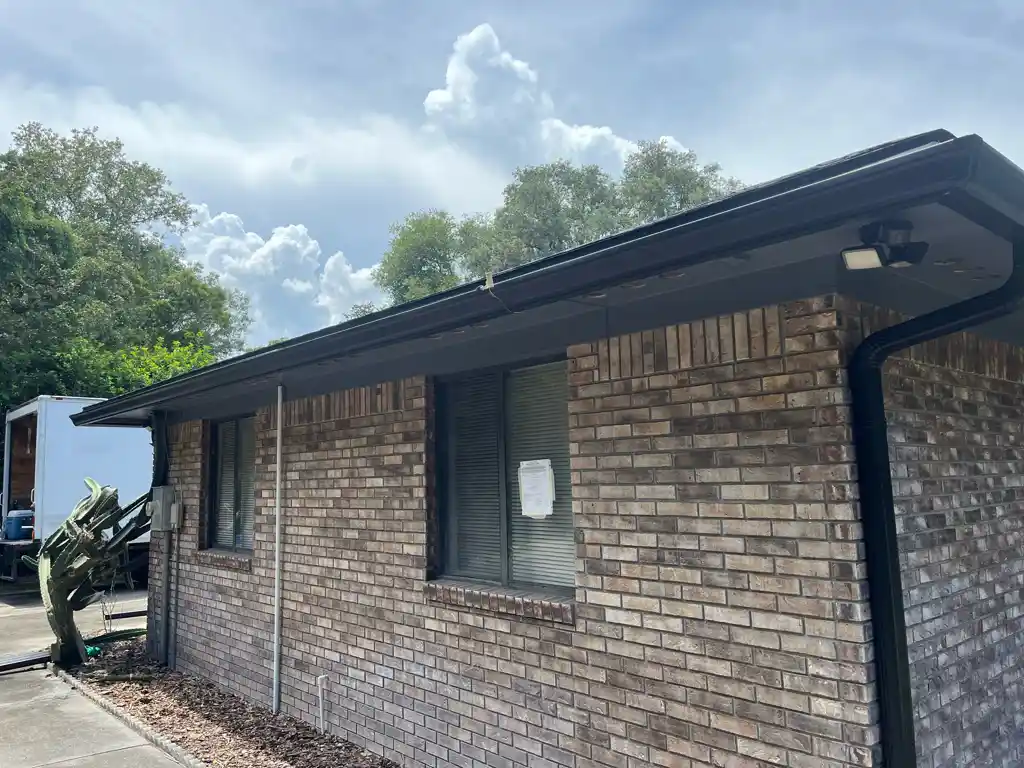
Local Building Codes and Regulations
Before embarking on any downspout installation, it is essential to familiarize yourself with local building codes and regulations. These guidelines vary significantly depending on your area and can dictate the size, placement, and materials used for downspouts. Some municipalities may have specific requirements aimed at ensuring proper drainage and protecting both your property and the environment. Failure to comply with these regulations can lead to fines or complications during inspections.
In addition to understanding the regulations, obtaining the necessary permits is crucial for a successful downspout installation. Permits ensure that your project meets safety and structural standards. They also provide an opportunity for local officials to review your plans and offer insights that could enhance the effectiveness of your water management system. Neglecting this step could not only delay your project but could also result in costly adjustments down the line.
Permits and Requirements for Installation
When considering downspout installation, it is essential to check local building codes and regulations. These codes often dictate the appropriate materials and dimensions for downspouts, ensuring safe and effective drainage. In some municipalities, specific permits may be required before beginning the installation process. Homeowners should contact their local building authority to verify these requirements and avoid potential fines or complications.
Understanding the necessary permits can streamline the installation process. Accurate documentation may expedite approval and ensure compliance with local standards. It is advisable to gather any required paperwork ahead of time and maintain open communication with building officials. This approach helps facilitate a smoother installation experience and minimizes the likelihood of encountering unexpected challenges.
Benefits of Adding Downspouts
Adding downspouts to an existing gutter system offers several advantages that enhance property value and longevity. Effective water management reduces the risk of foundation damage caused by pooling water. Proper drainage helps direct rainwater away from the home, preventing erosion and undermining around the foundation. This protective measure assists homeowners in avoiding costly repairs associated with water damage.
Downspout installation also contributes to improved landscaping. By controlling where rainwater flows, downspouts minimize the potential for soil erosion in garden beds and landscaping features. This targeted drainage can help maintain the aesthetic appeal of a property while promoting healthier plant growth. Homeowners can enjoy a well-maintained exterior and protect their investment with a thoughtfully designed gutter and downspout system.
Enhancing Home Protection and Drainage
Adding downspouts to an existing gutter system significantly enhances home protection and drainage. Properly installed downspouts direct rainwater away from the foundation, which reduces the risk of water pooling and potential structural damage. This effective diversion also helps minimize soil erosion and keeps basements dry. Ensuring that downspouts are strategically placed can prevent flooding in vulnerable areas of the yard.
Incorporating downspout installation can improve the overall efficiency of a drainage system. By channeling water away from the home, it minimizes the chances of water intrusion and mitigates potential damage to landscaping. Homeowners can also benefit by avoiding costly repairs associated with water damage, making the investment in downspouts worthwhile for long-term property protection.
Maintenance Tips for Downspouts
Regular maintenance of downspouts is essential for ensuring they function properly and effectively divert water away from your home. Inspect them periodically for clogs caused by leaves, dirt, or debris. A simple visual check can help you identify any blockages. If you notice any signs of water backup during heavy rainfall, it may indicate a need for cleaning. Using a garden hose, you can flush out minor blockages. For more stubborn clogs, consider using a plumber's snake or contacting a professional for assistance.
In addition to regular cleaning, it's important to check the alignment and connections of your downspout installation. Ensure that the downspouts direct water at least five feet away from your foundation. Misalignment can lead to water pooling near your home's base, which can cause significant structural damage over time. Inspect the joints for any signs of wear or damage, and make repairs as needed to maintain an effective drainage system. This proactive approach can help prevent costly repairs in the future.
Keeping Your System Functioning Properly
Regular maintenance is essential for keeping your downspout system functioning properly. Start by clearing any debris that may obstruct the flow of water. Check for accumulated leaves, twigs, and dirt at both the downspout and gutter locations. Ensuring a clear passage allows for efficient drainage and prevents overflow during heavy rain.
Inspect the connections of the downspout installation to confirm they are secure and free from leaks. Look for signs of rust, corrosion, or damage that might compromise the structure. A well-maintained downspout will channel water effectively away from the foundation, reducing the risk of erosion and water damage over time.
FAQS
Can I add a downspout to an existing gutter system?
Yes, you can add a downspout to an existing gutter system to improve drainage and enhance water management for your home.
Are there local building codes I need to consider when adding a downspout?
Yes, it's important to check local building codes and regulations, as they may have specific requirements regarding downspout installation.
Do I need a permit to install a new downspout?
Depending on your local regulations, you may need a permit for adding a downspout, especially if it involves modifications to your existing gutter system.
What are the benefits of adding a downspout to my gutters?
Adding a downspout can help prevent water damage to your home, improve drainage efficiency, and redirect water away from your foundation.
How do I maintain my downspouts once they are installed?
Regular maintenance includes clearing debris, checking for blockages, and ensuring that water flows freely through the downspout to prevent overflow and damage.