Can you replace one section of guttering?
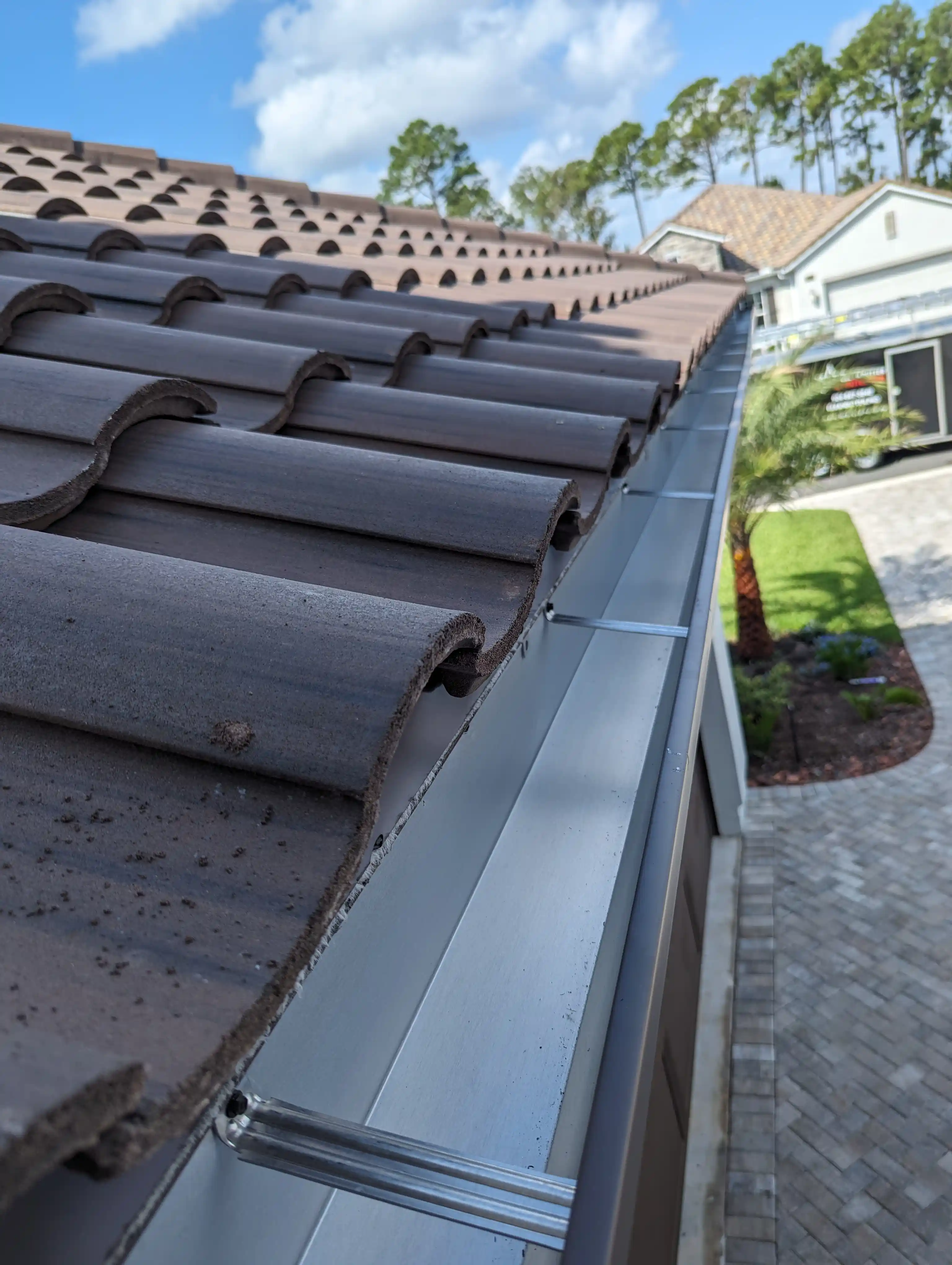
Steps to Remove Damaged Guttering
To initiate the process of removing damaged guttering, start by ensuring your safety. Use a sturdy ladder to access the high areas and wear gloves to protect your hands from sharp edges. Inspect the guttering for any fasteners or brackets that hold it in place. It may also be beneficial to have a helper to stabilize the ladder or assist with lifting the sections. Begin detaching any downspouts connected to the damaged section, as well as removing screws or nails that secure the gutter.
Once the attachments are removed, gently pull the damaged section away from the house. Avoid using excessive force, as this may cause damage to adjacent sections or the roofline. As you work, keep in mind the options for Gutter Repair. Assess if any parts of the current system can be reused for your new installation or if a complete replacement is necessary. Proper handling of the existing materials will aid in making the transition smoother for the new guttering.
Proper Techniques for Gutter Removal
Careful evaluation of the damaged section is essential before beginning gutter removal. Ensure that the area is clear of debris, as this allows for a safer working environment. Tools such as a ladder, a screwdriver or drill, and a putty knife will be necessary. Start by detaching any screws that secure the gutter in place. If the gutter is excessively damaged, it may come off more easily with the help of a putty knife to break any sealant.
Once all screws and seals are removed, gently pull the gutter away from the fascia. Be cautious to avoid damaging the adjoining sections or the fascia itself. If the removal process reveals any signs of wear on the fascia boards or any other components, consider planning for gutter repair alongside your replacement, ensuring a comprehensive solution is achieved. Overall, taking your time during this phase will contribute to a smoother installation of the new gutter section.
Choosing the Right Replacement Gutter
When selecting a replacement gutter, it is essential to consider the material that best suits your needs. Common choices include aluminum, vinyl, and copper, each offering unique benefits. Aluminum is lightweight, resistant to rust, and available in various colors. Vinyl gutters are easy to install and maintain, while copper provides a distinct aesthetic appeal that develops a patina over time. Assessing the local climate and checking the durability of each option will help ensure that you make a suitable choice for your home.
Size is another crucial factor in the replacement process. Standard gutter sizes typically range from 5 to 6 inches in width. Choosing the right size can prevent issues such as overflow during heavy rainfall. Additionally, consider the style of the gutter, as options like K-style or half-round provide different looks and functionalities. Proper selection contributes to effective water drainage and minimizes the need for Gutter Repair in the future.
Materials and Styles Available
When selecting materials for replacement guttering, consider options such as aluminum, vinyl, copper, and steel. Aluminum is lightweight and resistant to rust, making it a popular choice for many homeowners. Vinyl is another option that is easy to install and available in various colors. For those seeking a more traditional look or increased longevity, copper gutters add aesthetic appeal while providing durability. Steel gutters, although heavier, offer strength and are often coated to prevent rusting.
The style of the guttering is equally important as the material. K-style gutters have a modern appearance, resembling crown molding, while half-round gutters evoke a more classic, historic look. Each style has its benefits, with K-style gutters typically providing more capacity for water flow. When considering gutter repair, it's essential to match the new section with the existing ones to ensure proper function and visual continuity. A seamless installation not only enhances curb appeal but also minimizes the risk of leaks.
Installing the New Section of Guttering
Begin by positioning the new section of guttering in alignment with the existing system. Ensure that the slope is adequate for proper water flow, which usually requires a slight downward angle toward the downspout. Use brackets or hangers to secure the new gutter in place, checking that it remains level throughout. It is essential to seal any joints with a suitable gutter sealant to prevent leaks. Identify the connection points with existing gutters to create a seamless link.
After securing the gutter, attach the downspout to the new section. Measure and cut the downspout if necessary for a perfect fit. Use screws or rivets to fasten the downspout firmly. Consider performing a Gutter Repair test by running water through the system to check for leaks and ensure everything operates smoothly. Regular monitoring after installation can help catch any potential issues early, extending the lifespan of your guttering.
Step-by-Step Installation Guide
Begin by securing the new section of guttering to the existing structure. Align it properly to ensure proper water flow and drainage. Use brackets and screws to fasten the new section, making sure they are spaced adequately for support. It's essential to check that the pitch of the gutter encourages water to flow toward the downspout. This adjustment is critical for effective Gutter Repair.
After securing the gutter, seal any joints with a waterproof sealant to prevent leaks. Inspect the entire length of the new gutter for alignment and stability. Testing the installation with water can help identify any potential issues before completing the project. Proper installation not only ensures effective drainage but also prolongs the lifespan of your gutter system.
FAQS
Can I replace just one section of my guttering?
Yes, you can replace just one section of your guttering if that section is damaged or clogged. This can help improve functionality without the need for a complete gutter replacement.
What tools do I need to remove and replace a section of guttering?
To remove and replace a section of guttering, you will typically need a ladder, a screwdriver or drill, a hacksaw or tin snips (depending on the gutter material), a measuring tape, and safety gloves.
How do I know if my guttering needs to be replaced?
Signs that your guttering may need to be replaced include visible dents or breaks, frequent clogging, water damage around the foundation or walls, or rust and corrosion, especially in metal gutters.
What materials are best for replacement guttering?
Common materials for replacement guttering include aluminum, vinyl, copper, and steel. Each has its pros and cons regarding durability, cost, and appearance, so choose based on your needs and budget.
Is it necessary to hire a professional to replace guttering?
While many homeowners can replace guttering themselves, hiring a professional may be advisable for those unsure about the process or who are dealing with extensive damage or difficult-to-reach areas.