How to fix gutter downspout connection?
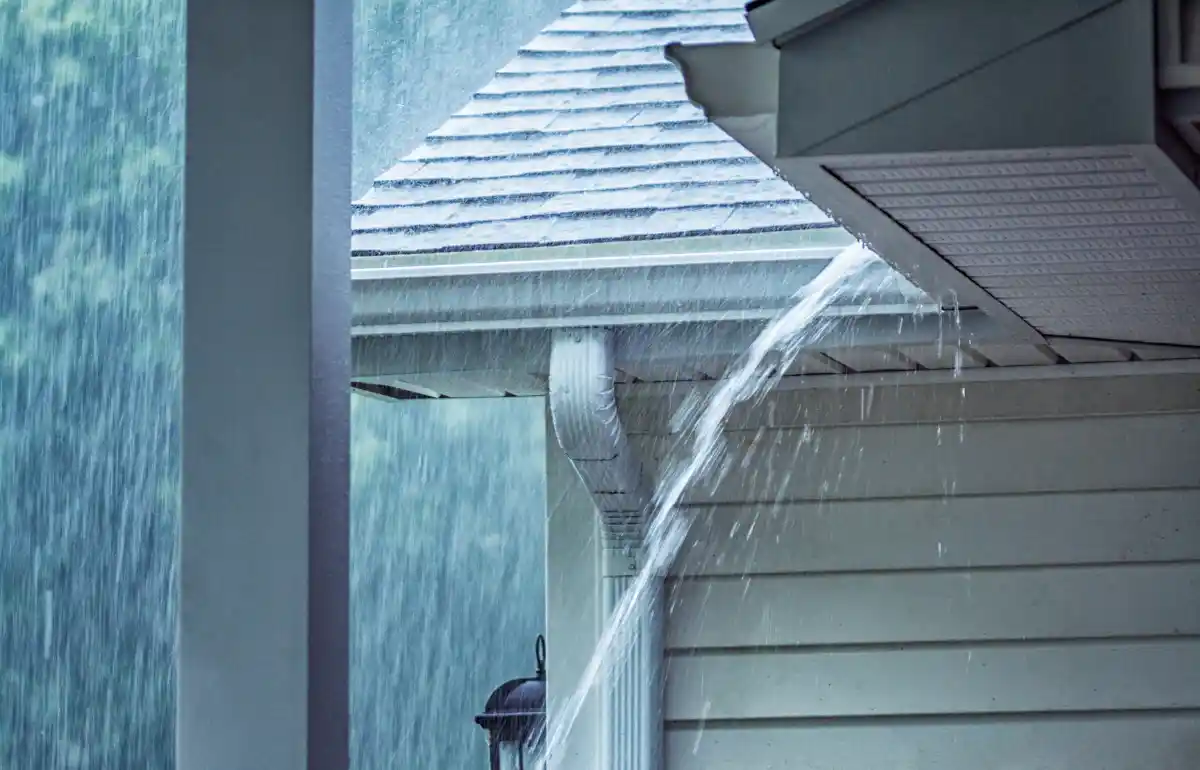
Attaching the Downspout Securely
Attaching a downspout securely is essential for effective water drainage and to prevent leaks. Make sure the downspout aligns properly with the gutter. Use screws or rivets to secure the connection, ensuring that both the gutter and the downspout are clean and dry before attachment. This preparation reduces the risk of rust and enhances the durability of the joint. If the old downspout is damaged, consider a downspout replacement to improve the overall functionality of the drainage system.
Once the screws or rivets are in place, check that the downspout is straight and has a slight downward angle to facilitate water flow. This alignment helps prevent clogs that could result from improperly sloped connections. If necessary, adjust the brackets holding the downspout to maintain this position. Proper attachment and alignment are critical not only for aesthetics but also for effective maintenance over time.
Techniques for a Strong Connection
Attaching downspouts securely requires careful attention to detail. Proper alignment is critical before making any connections. Ensure that the downspout fits snugly into the elbow or horizontal section of the gutter system. Using screws or rivets can provide additional stability. If the downspout is too short, consider a downspout replacement to achieve the proper height and fit.
Another method for enhancing the connection is to use brackets or straps. These can be attached to the wall of the house or the side of the gutter. Brackets help support the downspout and prevent it from sagging over time. When installing a downspout replacement, incorporate these supports to maintain a strong and streamlined appearance. Ensuring a solid connection will minimize the risk of leaks and other complications.
Sealing and Waterproofing the Joint
Proper sealing and waterproofing of the joint between the downspout and the gutter is crucial for preventing leaks. Using a suitable sealant will create an effective barrier against rainwater, thus protecting the integrity of the home. For downspout replacement projects, it is essential to ensure that the sealant is applied evenly and generously at the joints. This will help maintain a robust connection and reduce the chances of water damage to the surrounding structure.
When selecting a sealant, consider factors such as durability and compatibility with the materials of your gutter system. Silicone sealants are often recommended due to their flexibility and excellent waterproofing properties. Remember to clean the surfaces thoroughly before applying the sealant to ensure maximum adhesion. A well-sealed joint not only enhances the performance of the downspout but also extends the lifespan of the entire drainage system.
Choosing the Right Sealant
Selecting the right sealant is crucial for maintaining the integrity of your gutter downspout connection. A high-quality sealant will help prevent leaks and extend the lifespan of the connection. Look for products that are specifically designed for outdoor use and can withstand varying weather conditions. Silicone sealants are popular for their flexibility and durability, making them ideal for areas exposed to moisture. However, polyurethane sealants also offer strong adhesion and resistance to the elements. Ensure that the sealant you choose adheres well to the materials of the downspout and gutter.
When it comes to downspout replacement, the sealant application process is equally important. Properly clean the surfaces to be sealed, removing any debris, dirt, or old sealant to achieve a good bond. Apply the sealant evenly and avoid over-application, which can lead to messy excess. Following the manufacturer's instructions regarding curing time is essential for achieving optimal results. A well-sealed joint will protect against leaks, ensuring your gutter system functions effectively.
Testing the New Connection
Once the downspout is securely attached and sealed, it is essential to test the new connection to ensure proper functionality. Start by observing how water flows through the downspout during rain or by using a hose to simulate weather conditions. Look for any leaks or loose fittings, as these can indicate that adjustments are necessary. The connection should be solid, directing water away from the foundation of the home without any obstruction.
In situations where you notice issues such as water pooling around the base or inconsistent flow, further inspection may be required. If a robust solution cannot be achieved, consider downspout replacement to ensure optimal performance. A properly functioning downspout not only protects the property but also prevents long-term damage related to water accumulation.
Checking for Proper Water Flow
After securing your downspout in place, it’s essential to test its water flow to ensure everything is functioning correctly. Use a hose to run water through the gutter system. Observe the downspout connection for any leaks or blockages. This step will help identify any areas where adjustments may be necessary for optimal performance.
If you find issues during the water flow test, they may indicate a need for downspout replacement. Inspect for any significant misalignments or damage that could hinder efficient drainage. Addressing these problems promptly can prevent water damage and promote a well-maintained gutter system.
FAQS
What tools do I need to attach a downspout securely?
To attach a downspout securely, you will typically need a drill, screws or rivets, a level, and possibly a hacksaw for cutting the downspout to the correct length.
How do I choose the right sealant for my downspout connection?
When choosing a sealant, look for a high-quality waterproof sealant that is compatible with the materials of your gutter and downspout, such as silicone or polyurethane sealants.
How can I check if my new downspout connection is properly sealed?
To check if your new downspout connection is properly sealed, inspect the joint for any gaps or leaks after a rain. You can also run water through the gutter system and observe if it flows correctly through the downspout without any leaks.
What are some common mistakes to avoid when fixing a downspout connection?
Some common mistakes include not cleaning the surfaces before sealing, using the wrong type of sealant, and failing to secure the downspout adequately, which can lead to disconnections or leaks.
How often should I check my gutter and downspout connections?
It is recommended to check your gutter and downspout connections at least twice a year, preferably in the spring and fall, or after heavy storms to ensure they are functioning properly.