What is the standard downspout size?
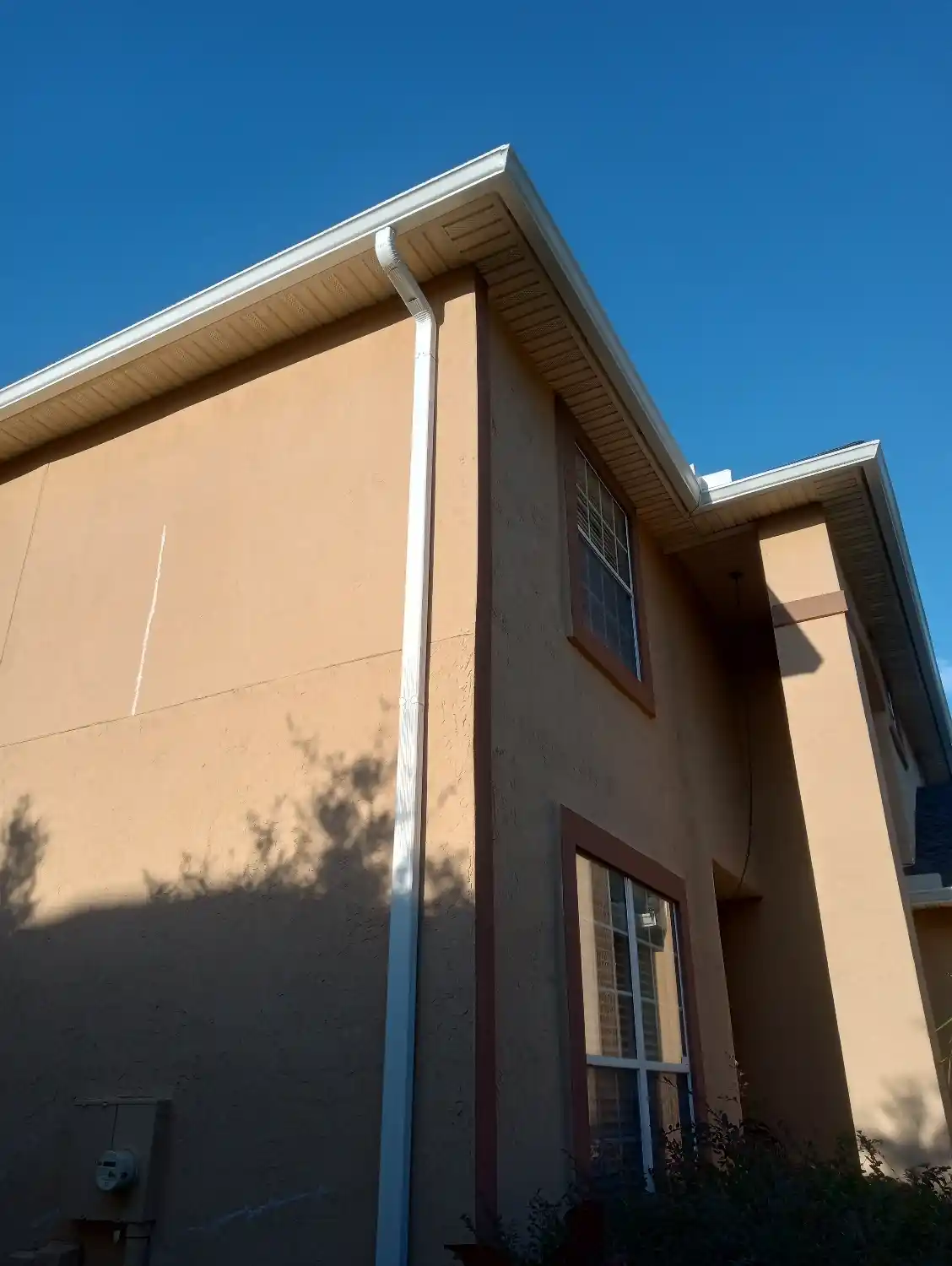
Calculating the Appropriate Downspout Size
Determining the right size for a downspout is crucial for effective water management. The first step involves calculating the area of the roof that drains into the downspout. A common guideline is to use a 1-inch rain event over the roof area to assess the required capacity. Generally, larger roof areas will necessitate larger downspouts to handle the increased volume of water. This calculation helps in minimizing overflow and managing water flow efficiently during heavy rain.
For those considering downspout replacement, using standard sizes can simplify the process. The most common dimensions for residential use are 2x3 inches or 3x4 inches, with the larger option being ideal for larger roofs or areas with frequent heavy rainfall. Adequate sizing not only prevents pooling around the foundation but also ensures that the downspouts effectively channel water away from the home's structure. Regular checks and proper sizing can extend the lifespan of your gutter system and prevent costly damages.
Using Roof Drainage Calculation Methods
To determine the appropriate downspout size for a roof drainage system, several calculation methods can be employed. One common approach involves assessing the roof area that drains into each downspout. This area is then matched to the expected rainfall intensity, typically measured in inches per hour. By calculating the volume of water that will flow through the downspout during peak rainfall, you can establish the necessary diameter to handle the anticipated water load efficiently.
Another method focuses on the local environment and historical rainfall data. Understanding regional climate patterns allows for more accurate forecasting of stormwater runoff. Alongside this, considerations such as roof pitch and material can also influence the amount of water collected. When planning for Downspout Replacement, these calculations ensure that any new installations will adequately address potential drainage issues and optimize overall performance.
Installation Guidelines for Downspouts
When installing downspouts, it is crucial to select the appropriate location to ensure optimal water drainage. Position them at least six inches away from the building's foundation to prevent water from pooling near the structure. Additionally, consider the slope of the ground, directing water away from the house. Proper alignment of the downspout with the gutters is essential to avoid leaks and overflow, enhancing overall efficiency.
During the installation process, if old downspouts are damaged or ineffective, Downspout Replacement may be necessary to maintain a seamless flow. Start by removing the existing downspout and evaluating the adjacent materials for any signs of wear or damage. Make sure to secure the new downspout firmly, using brackets or straps to withstand adverse weather conditions. Regular checks post-installation can help identify any issues early and ensure continued performance.
Key Steps for Proper Placement
When installing downspouts, positioning is crucial for effective water drainage. It is important to direct the downspouts away from the foundation of the house to prevent water pooling and potential structural damage. Assess the roof's pitch and the location of the gutters to determine where the downspouts should be placed. A common practice is to install them at regular intervals along the gutter system, typically spaced every 20 to 30 feet. This ensures adequate water flow during heavy rainfall.
If you are conducting a downspout replacement, consider inspecting the existing layout. Evaluate if the current downspouts are effectively channeling water away from critical areas. If not, repositioning them may be necessary. Take into account local rainfall patterns and the type of landscaping surrounding the home. Proper placement not only enhances functionality but also protects the home's foundation from water damage.
Maintenance Tips for Downspouts
Regular maintenance of downspouts is essential to ensure they function efficiently. Cleaning out leaves, debris, and other blockages will prevent overflow and potential water damage to your property. At least twice a year, especially during the fall and spring months, inspect the downspouts for any signs of clogging. A clear downspout allows for proper water drainage from gutters, reducing the risk of foundation issues due to pooling water.
If you notice recurring problems despite routine cleaning, it may be time for a Downspout Replacement. Assess the current configuration and size of your downspouts, making sure they are appropriate for your roof size and drainage needs. Upgrading to larger or more efficient designs can enhance water flow, preventing potential issues in the long run. Always consider consulting a professional for recommendations tailored to your property’s specific requirements.
Ensuring Efficient Water Flow
Proper maintenance of downspouts is essential for ensuring efficient water flow. Leaves, dirt, and other debris can easily clog the system, leading to overflow and potential damage to your home's foundation. Regularly cleaning the downspouts and checking for blockages helps maintain a steady flow of water. If persistent issues occur, it may be time for downspout replacement to guarantee an unobstructed drainage path.
Additionally, inspecting the downspout's alignment and ensuring it directs water away from the foundation can significantly enhance its effectiveness. Adjustments might be necessary to prevent pooling around the base of the house. During heavy rainfall, evaluate the downspout's performance. If water is consistently unable to flow freely, it could indicate the need for downspout replacement to improve drainage and protect your property from water damage.
FAQS
What is the standard size for residential downspouts?
The standard size for residential downspouts is typically 2x3 inches or 3x4 inches, with 3x4 inches being more common for larger roofs or areas with heavy rainfall.
How do I determine the correct downspout size for my home?
To determine the correct downspout size, you should calculate your roof's drainage needs based on its square footage, the amount of rainfall in your area, and the number of downspouts required for effective water flow.
Can I use larger downspouts if I have heavy rainfall in my area?
Yes, using larger downspouts can help accommodate heavy rainfall and prevent water overflow, but it's essential to ensure they are compatible with your existing gutter system.
What are the consequences of using incorrectly sized downspouts?
Using incorrectly sized downspouts can lead to water overflow, potential damage to your home's foundation, and increased maintenance issues due to clogging and improper drainage.
How often should I check and maintain my downspouts?
It is recommended to check and maintain your downspouts at least twice a year, preferably in the spring and fall, to ensure they are free from debris and functioning properly.